
 5.0
5.0
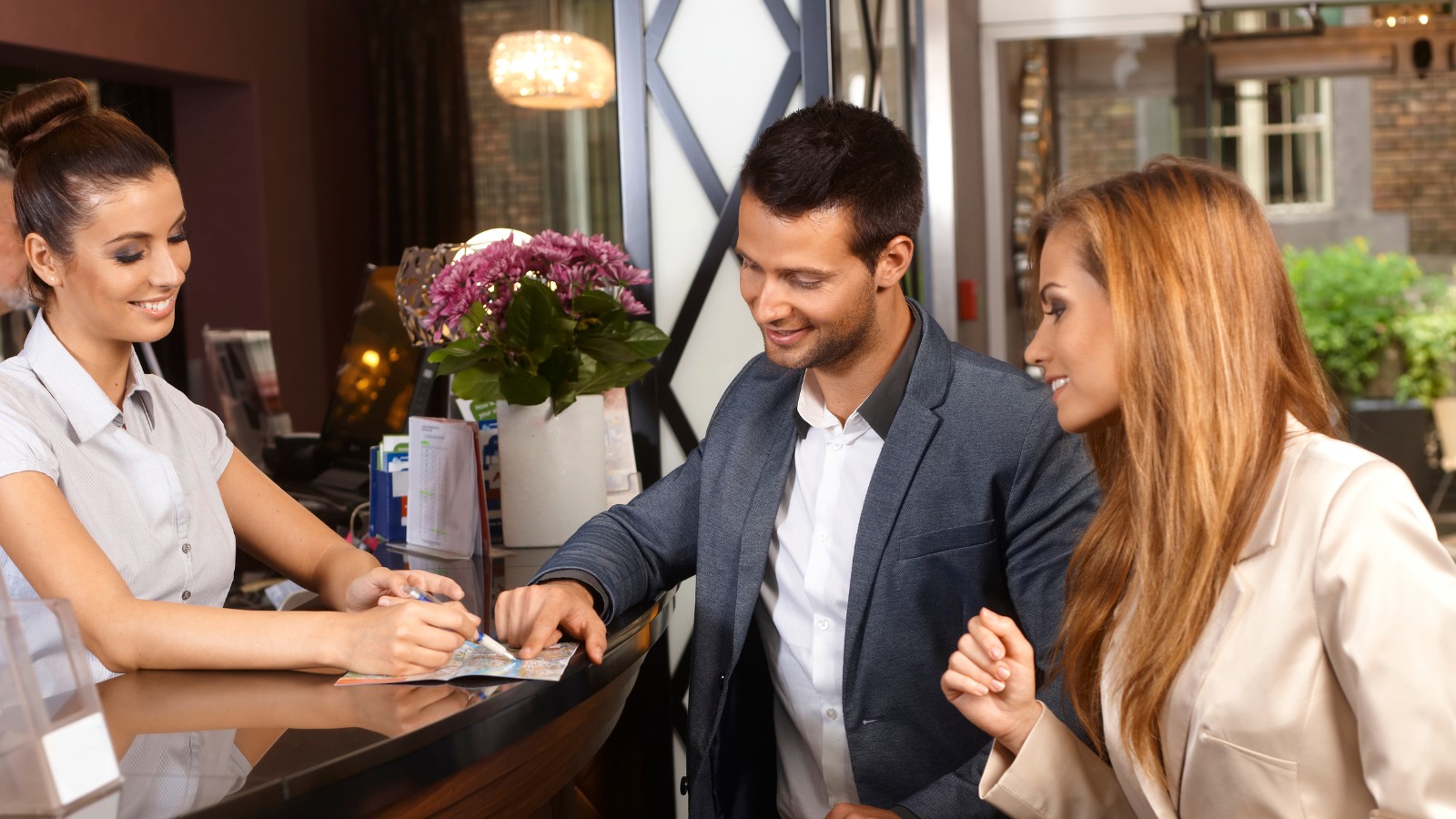
Hotel guests are the core driver of revenue and success; consequently, every decision, from designing marketing campaigns to enhancing amenities and setting room rates, must prioritise attracting, satisfying and retaining them. By recognising commonalities amongst different types of hotel guests, hotels can effectively segment their market, implement dynamic pricing strategies that accurately reflect what each guest segment is willing to pay and efficiently direct resources to the most profitable audiences via targeted marketing.
Such segmentation ensures that capital investments are made where they truly matter, resources are allocated wisely and services are tailored perfectly to demand. Ultimately, this strategic approach helps hotels to attract guests who fit their operational model, leading to a stronger Average Daily Rate (ADR), increased occupancy and sustainable profitability.
In this article, I explain the importance of understanding your hotel guests, discuss your ideal hotel guest, share 10 different types of hotel guests and tips to engage with them, how to create a target hotel guest persona and how to utilise these in your revenue strategy.
The Importance Of Understanding Your Hotel Guests
For hotel owners, truly understanding each type of hotel guest is crucial for maximising revenues. While a hotel may have a niche, guests within and across these niches have a diverse range of needs and ignoring such variety can result in a missed revenue opportunity.
Target guest personas are data-backed, semi-fictional profiles that bring your ideal guests to life. Instead of “business travellers”, think “Corporate Connie” (Aged 45, prioritises corporate rates, efficient service and Wi-Fi) or “Family Fun Freda” (Aged 38, seeks child-friendly amenities, spacious rooms and value-based packages).
Creating detailed profiles for each type of hotel guest can be significant:
- Humanise Your Market: Integrating data from Customer Relationship Management (CRM), Property Management System (PMS) and guest feedback enables hotels to build profiles that represent real people and offer personalised experiences, resulting in engagement that drives loyalty, positive feedback and repeat custom.
- Better Revenue Strategy: Implement dynamic pricing and optimise distribution based on what each guest persona values. This unlocks ancillary revenue opportunities through tailored upsells (e.g. Spa for “Luxury Leo”).
- Effective Segmentation: Clearly define guest groups for efficient, focused marketing and revenue strategies.
- Enhanced Guest Experience: Deliver personalised communication and service, from room setup to staff training, leading to higher guest satisfaction.
- Increased ADR & Occupancy: Attract your ideal guests, command higher rates and fill rooms consistently.
- Stronger KPIs: Boost your Customer Retention Rate (CRR), Customer Satisfaction Score (CSAT), Direct Booking Ratio (DBR), Revenue Per Available Guest (RevPAG) & Revenue Per Available Room (RevPAR).
Ultimately, defining guest personas transforms what may be a generic approach to one that is guest-centric, driving effective marketing, efficient operations and sustainable revenue streams.
Who Is Your Ideal Hotel Guest?
Do you know your ideal guest—beyond labels like “business traveller”—including their motivations for choosing your hotel, their stay preferences and what might prevent a repeat booking? Answering these fundamental questions is critical for a successful revenue strategy.
The “ideal” hotel guest is a specific individual or group who provides maximum value to your operation. They are defined by four key characteristics:
- Contributes Positively To Your Bottom Line: They are inherently profitable, often because they book direct, generate positive word-of-mouth, provide repeat business and/or spend significantly on ancillary services like events, food and beverage (F&B) or spa.
- Fits Your Operational Model: Their requirements seamlessly align with your hotel’s facilities, service style and staffing levels. This leads to efficient operations and high guest satisfaction without overstretching resources.
- Is Likely To Become A Loyal, Repeat Customer: The goal of any business. These guests are less susceptible to booking based purely on competitor pricing, become brand advocates and return consistently.
- Values Your Unique Offerings: They appreciate your hotel’s specific strengths—be it cutting-edge design, historical charm, luxury service or a prime location—and recognise the value offered at your price point.
Identifying this ideal profile requires hoteliers to move beyond assuming a single guest type. A successful revenue strategy recognises the diverse segments that contribute to overall success and analyses the unique booking behaviours and needs of each segment to craft effective and targeted strategies.
10 Types Of Hotel Guests & Tips To Engage Them
Building detailed, humanised profiles, or guest personas, is of critical importance to move beyond generic marketing and service. Below, I share 10 common types of hotel guests paired with practical, tailored tips to help your hotel engage with them effectively:
- Boomers: Affluent, flexible. Seek accessibility, comfort, quality service and value. Prefer traditional booking methods. Prioritise accessibility, comfort and service. Offer senior discounts/packages. Advertise in traditional media, on social media and with tour operators.
- Business Travellers: Work-focused. Prioritise efficiency, productivity and reliability. Tight schedules. Provide early breakfast, express check-in/out, meeting spaces and robust Wi-Fi. Target corporate travel managers and offer loyalty programs.
- Conventional Tourists: Leisure seekers (landmarks, relaxation). Budget-conscious, prioritise experiences, location and value. Emphasise proximity to attractions/transport. Offer local experience packages. Advertise on destination sites, Online Travel Agents (OTAs) and visual social media.
- Young Families: Parents with young children. Value convenience, entertainment for kids and safety. Promote all child-friendly amenities (clubs, cots and interconnecting rooms). Emphasise safety and target parenting platforms.
- Green Travellers: Prioritise sustainability; willing to pay a premium for eco-conscious practices. Transparently showcase genuine sustainability efforts (certifications, local sourcing and recycling). Advertise on eco-travel platforms.
- Group Leaders: Single point of contact booking multiple rooms. Prioritise competitive rates, ease and specific needs (meeting space). Use a dedicated group sales team. Offer flexible rates and value-added services (e.g. coach parking). Advertise via associations and planners.
- Wellness Seekers: Focus on mental/physical well-being (healthy eating, spa and yoga). Willing to pay a premium for quality facilities. Prominently feature fitness/spa facilities and healthy/organic food options. Offer bundled wellness packages and market via wellness media.
- Luxury Travellers: Seek bespoke, exclusive experiences, privacy and unparalleled service over price. Focus on extreme personalisation, private amenities (chauffeurs, private spas) and unique curated experiences. Market via luxury travel agents.
- Romantic Couples: Seek indulgence, intimacy and shared experiences. Prioritise fine dining, luxurious amenities and privacy. Create an exclusive atmosphere. Offer couples-focused packages (champagne, late check-out) and advertise with visually appealing campaigns.
- Solo Travellers: Seek flexibility, independence and safety. Value privacy and optional social opportunities. Offer single occupancy rates. Emphasise security (24/7 reception). Provide curated local guides and good Wi-Fi. Advertise on solo travel platforms.
How To Create A Target Hotel Guest Persona
Developing 2-3 detailed guest personas (e.g. “Corporate Connie”) transforms abstract data into actionable profiles, aligning your entire team—from front desk to F&B – on who they serve and how to do it well.
How to Create Guest Personas:
- Gather Data: Collect qualitative and quantitative insights from:
- Guest Feedback: Front-line staff observations, reviews and surveys.
- Internal Data: Ancillary spending, booking patterns, CRM, demographics and PMS.
- Market Research: Broader travel trends and competitor analysis.
- Staff Input: Brainstorming sessions with customer-facing teams for invaluable insights.
- Identify Segments: Look for distinct groups based on booking behavior, purpose of travel, and spending habits (e.g. advance family bookings vs. last-minute short stays).
- Validate & Refine: Share initial drafts with relevant teams for feedback to ensure the profiles accurately reflect real guests.
- Share & Implement: Distribute finalised personas widely and use them in marketing, revenue strategy discussions and training.
Build each concise profile to include the following:
- Avatar & Name: A memorable and visual identifier (e.g., “Family Freda”) to make them real and tangible.
- Behaviours: Booking device, companions, frequency, lead time, preferred channels (Direct vs OTA) and purpose.
- Budget & Spending Habits: Estimated income, likelihood of spending on ancillary services (F&B, Spa etc.) and price sensitivity.
- Expectations: Preferred communication methods (app, email) and expected service level (efficient, highly attentive).
- Priorities & Needs (The Core): Competitive brand set, pain points (e.g. hidden fees) and top required amenities (e.g. child-friendly facilities, reliable Wi-Fi).
- Basic Demographics: Age range, occupation and typical location.
Utilising Target Personas in Your Revenue Strategy
Guest personas like “Corporate Connie” or “Family Fun Freda” are powerful tools that must inform revenue management, not just marketing. Consult and utilise your target guest personas in regards to:
1. Dynamic Pricing & Inventory: Personas guide pricing. Offer “Corporate Connie” bundled rates (Express Check-Out, Wi-Fi) and “Family Fun Freda” value packages (attraction tickets and connecting rooms). This dynamic approach maximises revenue per guest, strategically allocates high-value inventory like premium suites and tailors pricing to segments’ willingness-to-pay.
2. Enhanced Guest Experience & Service: Front-line staff should be trained on each persona. Staff can proactively offer “Freda” a high chair and kids’ club info or ensure “Connie” has seamless check-in and Wi-Fi access. This personalised service drives positive reviews, repeat bookings and satisfaction.
3. Optimised Ancillary Revenue: Understand in-stay spending habits. Upsell “Health Seekers” on meal packages or spa treatments and offer “Romantic Couples” fine dining or in-room champagne. Personalised offers boost RevPAG while enhancing guest experience.
4. Strategic Product Development: Personas inform future investment. If “Green Travellers” are growing, prioritise sustainable amenities in renovations. If “Event Delegates” need faster meeting room Wi-Fi, that becomes an infrastructure upgrade priority. This aligns capital expenditure with the needs of your most valuable segments.
5. Tailored Marketing & Distribution: Personas dictate communication strategy. Use bespoke, direct email campaigns for “Luxury Travellers” and OTAs for “Budget Bargain Hunters”. Knowing their motivations and preferred channels ensures marketing spend is highly targeted, increasing conversion rates and ROI.
By continuously leveraging hotel guest personas, your revenue strategy shifts from reactive pricing to a proactive, guest-centric approach, leading to improved hotel guest engagement, loyalty, occupancy rates and revenue.
Do You Want Your Hotel To Realise Its True Potential?
At MavREV, we provide outsourced revenue management to hotels utilising our own Revenue Management System (RMS), MavPERFORM. We have been empowering independent hotels to reach their true revenue potential for fifteen years, at a fraction of the cost associated with employing a revenue manager. Are you looking to attract different types of hotel guests? If so, contact us today to discuss how we can serve as a friendly, proactive addition to your on-property team.